Here’s a number that should change how every small moving company spends its summer: in an analysis of BBB complaints and negative reviews about movers, nine out of ten complainants mentioned poor communication — unanswered calls, unreturned emails, silence about arrival times. Not damage. Not price. Communication. And peak season, which is right now, is when federal regulators say moving complaints spike every year.
That’s brutal news if you’re stretched thin in June. It’s also the biggest opening a small mover has had in years — because the thing customers are actually buying, fast clear communication, is the thing free ChatGPT is genuinely good at. The trucks, the prices, and the binding estimate stay yours. The typing gets help.
What’s actually happening this season
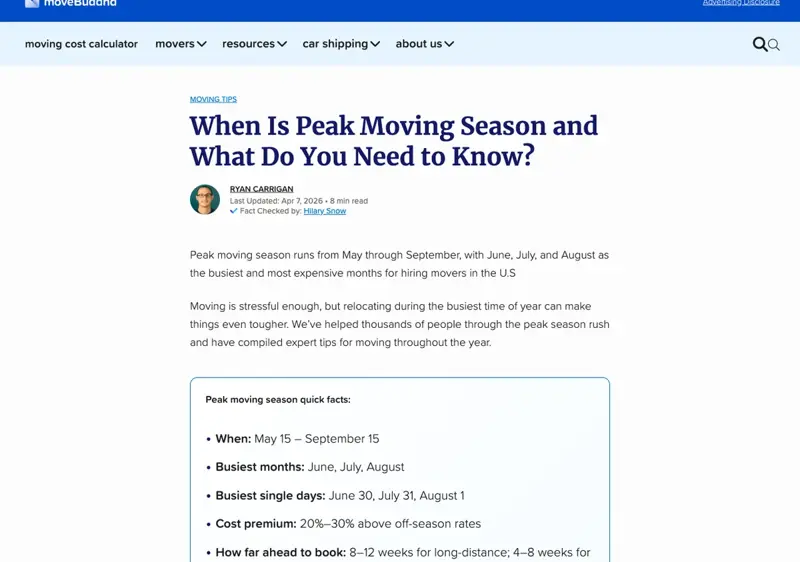
The seasonal math is unforgiving. More than 60% of US household moves happen between May and September, prices run 20–30% above off-season rates, and the end-of-month crunch days — June 30, July 31, August 1 — are the tightest dates on every mover’s calendar. Demand concentrates, crews stretch, and the moves that go sideways pile up in exactly the weeks when nobody has time to write careful emails.
The complaint data tells the same story from the customer’s side. The FMCSA — the federal agency that regulates interstate movers — reports that household-goods complaints spike during peak summer season, and complaint volume to its national database nearly doubled in a single recent year, from 4,340 to 8,295. The BBB logged over 100,000 inquiries about movers in one year. And when researchers broke down what those complaints actually say: three out of four mention lateness or slowness. Nine out of ten mention communication failures.
Read those two stats together and the lesson writes itself. Most moving complaints aren’t really about the eight hours the crew ran late — they’re about the eight hours nobody told the customer anything. The complaint threads bear this out: customers posting “I’ve called twice to register a complaint and the complaint was not taken,” spending whole days chasing updates that never come. Meanwhile the movers that get praised earn it with sentences like “easy to communicate with, and they always call back when they say they will.”
One more market shift worth knowing: when small movers search for “AI” help, what they mostly find is agencies selling AI visibility — getting ChatGPT to recommend your company when customers ask it for movers. That matters (customers genuinely do ask), but it skips the unglamorous layer underneath: the messages your business sends every day. That layer is free to fix, and you can start today.
The workflow: the five messages that win peak season
One rule makes all of this safe, and it’s not optional. Federal rules govern what a mover commits to in writing: whether an estimate is binding or non-binding, the 110% cap on collecting above a non-binding estimate at delivery, and the valuation options you’re required to offer — released value protection at 60 cents per pound versus full value protection. Those numbers and terms come from a licensed human at your company, every time. ChatGPT writes the message around the facts you give it. It never invents a price, a date, or a liability term.
With the guardrail set, here are the five messages, each with a prompt to copy. One style note before you start: customers can smell AI filler, and so can your competitors — one moving-company owner recently griped that templated corporate replies are “the most obvious AI tell.” The fix is in the prompt: demand plain English and feed it real specifics. Generic in, generic out.
1. The walkthrough-to-quote message
The booking usually goes to whoever answers first and clearest — in home services, responding within five minutes makes you about 21 times more likely to qualify the lead than waiting half an hour. Turn your walkthrough notes into a clear reply on the spot:
You write customer messages for my moving company. Plain English, warm, confident, no corporate filler, no exclamation marks. Turn these walkthrough notes into a quote-summary email: “3BR house to a 4BR house, 12 miles. Heavy: piano upright, gun safe. Full pack service requested. Crew of 4, estimated 6-7 hours. Quoted $2,400, non-binding, in writing to follow. Can do June 24 or 26.” End by telling them the formal written estimate comes next and they should read the valuation options in it.
You said the numbers; the AI made them readable. The formal estimate document — the legal one — still comes from your normal process.
2. The move-day morning update
The message that prevents the 9-out-of-10 complaint:
Write a short morning-of-move text to a customer. Facts: crew of 3 arriving between 8:30 and 9:00 am, lead crew member is Marcus, truck is a 26-footer, they should keep the driveway clear and have pets secured. Friendly, 4 sentences max.
Thirty seconds. And when something slips — it’s peak season, something will slip — the delay version matters even more:
Write a delay text: crew is running about 90 minutes behind because the morning job ran long. New window is 11:00-11:30. Apologize once, plainly, no groveling. Offer that I’ll call if anything changes again.
A customer who hears about the delay from you at 9am writes a different review than one who discovers it alone at 10:45.
3. The damage-claim first response
The highest-stakes message of the summer. Speed and tone here decide whether it becomes a claim or a war:
A customer emailed that we scratched their dining table during yesterday’s move. Write a first response: acknowledge it directly, no defensiveness, tell them we take it seriously, ask for 2-3 photos and the approximate purchase year, explain the next step is our claims process per the valuation coverage on their estimate, and give a timeframe of 2 business days for our follow-up. Do NOT admit fault, promise a payout amount, or quote coverage numbers.
Notice what the prompt forbids. Coverage amounts come from the valuation option they chose on the written estimate — that’s the human lane, and an AI-drafted promise here could cost you real money.
4. The review response
Peak season piles up reviews in both directions:
Reply to this Google review of my moving company. If positive: thank them specifically for what they praised, mention the crew by name if they did. If negative: stay calm, no arguing, acknowledge the specific issue, offer to resolve it offline with a phone number. Professional, human, 4 sentences max. Review: “[paste it]”
The angry-review reply is where ChatGPT quietly earns its keep — it drafts as the version of you that didn’t just read the review.
5. The post-move thank-you and referral ask
The cheapest marketing in the industry, and the message every mover means to send and never does:
Write a day-after thank-you text to a customer. Facts: move went smoothly, crew was Marcus, Dee, and Alvaro. Ask them, if they were happy, to leave a Google review (link goes here) — and mention we give $50 off to them and a friend if they refer someone who books. Warm, brief, no pressure.
What this means for you
If you’re an owner-operator or small local mover: start with messages #1 and #2 — the quote reply and the move-day update. Those two attack both halves of the complaint data: slow responses lose the booking, silent move days create the one-star review. Free ChatGPT, saved prompts, zero new software.
If you run dispatch or the office: make the prompts a shared playbook. Save all five in a note every coordinator uses, so a delay text from your company sounds the same at 8am Tuesday as it does at 6pm Saturday. Consistency reads as professionalism — and it’s exactly what the praised movers in the review data have in common.
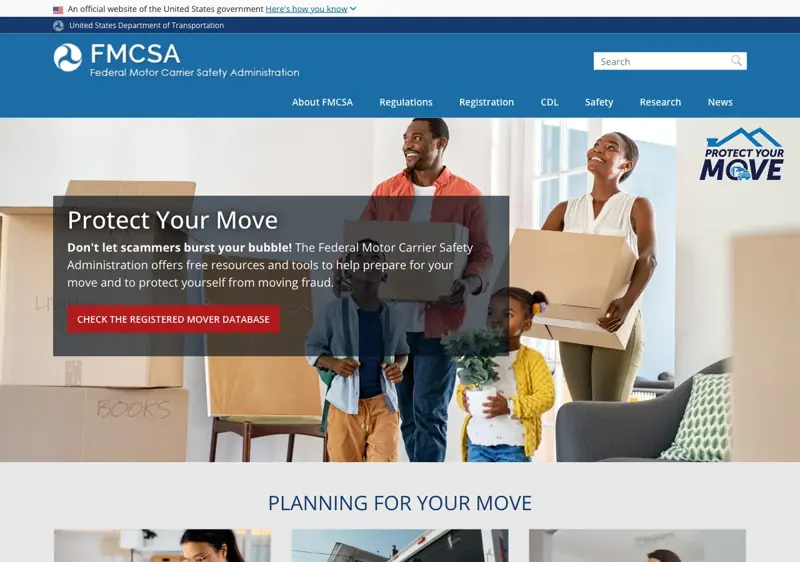
If you’re fighting brokers and lead-gen noise: clear, fast, specific communication is also your best defense against the scam-adjacent end of the market. Hostage-load complaints have surged in recent years, and FMCSA’s whole consumer campaign teaches customers to distrust vague quotes and slow answers. A mover who sends a clean written summary in ten minutes looks like the safe choice — because it is.
If customers mention they “asked ChatGPT” who to hire: that’s already happening, and AI assistants lean on your review profile to answer. Which loops back to messages #4 and #5: every review you earn and answer well is now also training data for the recommendation engines your next customer consults.
If you’re the customer reading this: the inverse advice — get the estimate in writing, understand binding vs non-binding and the valuation options, and check any mover or broker in FMCSA’s database before you book. A mover who communicates like the ones described above is showing you how the move itself will go.
What this can’t fix
- The binding estimate, the price, and the liability terms. Federal territory, human decisions. ChatGPT explains and formats; it never sets the number, the binding status, or the coverage. That’s the line, and it doesn’t move.
- An overbooked calendar. If you take more jobs than your crews can run, faster texts just deliver the bad news more politely. The data says complaints spike with volume — communication shrinks the damage, it doesn’t repeal the math.
- The actual claim. A good first response calms a damage dispute; it doesn’t resolve it. The claims process, the inspection, the settlement — process and people.
- A thin review profile overnight. AI assistants recommending movers read your existing reputation. The thank-you-and-review loop builds it steadily, but it’s a season-long compounding play, not a switch.
- Sounding human if you don’t edit. Send AI drafts verbatim and eventually one lands wrong — too smooth, slightly off the facts. Ten seconds of reading and one personal detail per message keeps your company sounding like your company.
The bottom line
Peak season punishes silence. The complaint data says communication failure — not broken furniture — is the through-line in nine out of ten unhappy moving stories, and the same season that creates the problem leaves you no time to fix it by hand. Five saved prompts turn the messages you already need to send into a ten-minute daily habit: fast quote replies that win bookings, proactive updates that prevent reviews you’d dread, and a referral loop that compounds. The estimate stays human, the price stays yours, and the customer finally hears from you before they have to ask.
To build the full habit, our AI for Business Automation course turns one-off prompts into repeatable office workflows, and AI for Logistics goes deeper on operations — built for people who run trucks, not spreadsheets.
Sources
- When Is Peak Moving Season? — moveBuddha
- Protect Your Move — FMCSA
- Operation Protect Your Move 2024 Report — FMCSA
- Household movers battle fake reviews — but there’s also room to improve — TruckNews
- BBB Tip: Moving scams — Better Business Bureau
- Types of Moving Estimates — MoveAdvisor
- AI for Moving Companies: 10 Ways to Use ChatGPT — Chariot
- Speed to Lead in Home Services — PipelineOn
